


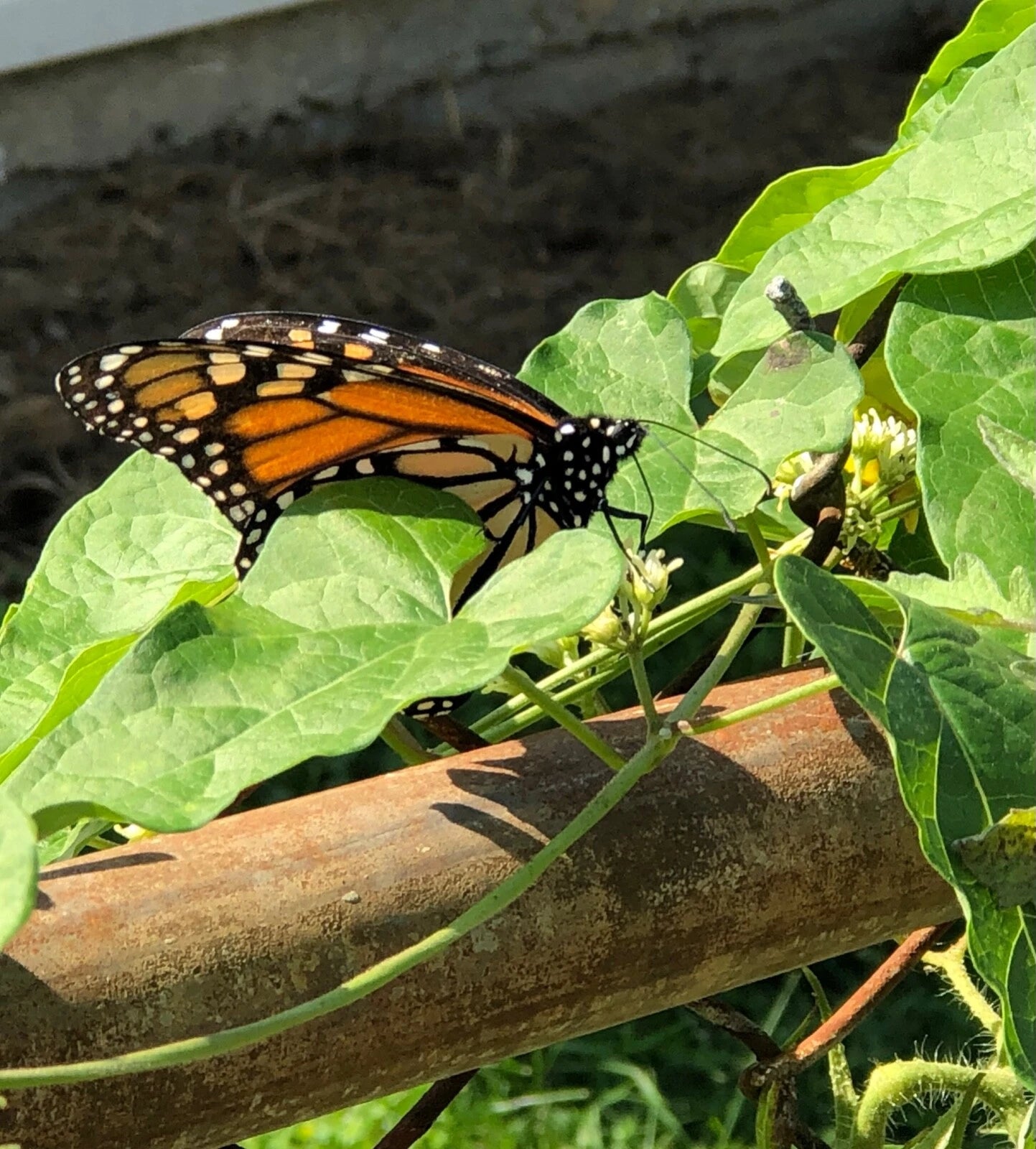
Wild Honeyvine Milkweed – Climbing Perennial Flower Seeds
Enhance your garden with vertical beauty and pollinator appeal using Wild Honeyvine Milkweed – Climbing Perennial Flower Seeds. This vigorous climbing perennial produces delicate flowers while attracting butterflies, making it perfect for trellises, fences, or naturalized garden spaces.
Key Benefits:
- Climbing growth habit: Rapidly covers trellises, fences, or supports with lush foliage and flowers.
- Pollinator-friendly: Flowers attract butterflies, bees, and other beneficial insects.
- Perennial beauty: Returns year after year, providing continuous garden interest and support for pollinators.
- Versatile landscaping: Ideal for vertical gardening, naturalized areas, or wildflower gardens.
- Low-maintenance: Hardy and adaptable, suitable for beginner gardeners.
Planting & Growth Information:
- Soil: Well-draining, moderately fertile soil; tolerates sandy or loamy conditions.
- Sunlight: Full sun to partial shade for best flowering and vigorous growth.
- Watering: Moderate watering; keep soil evenly moist during germination and early growth.
- Germination: 10–21 days; consistent moisture and warmth improve sprouting success.
- Growth Type: Climbing perennial flowering plant.
- Mature Height & Spread: Can reach 6–12 feet or more when supported, with extensive spread possible.
- Bloom Season: Summer; produces nectar-rich flowers that attract pollinators.
Frequently Asked Questions:
- How can these seeds enhance my garden? Wild Honeyvine Milkweed provides vertical interest, beautiful flowers, and supports butterflies and other pollinators.
- Are they suitable for beginner gardeners? Yes! Hardy and adaptable, they thrive with basic care and support structures.
- Will they attract pollinators? Absolutely. Bees, butterflies, and other beneficial insects are naturally drawn to the flowers.
- Where should I plant them? Sunny areas with well-draining soil and a trellis, fence, or support structure are ideal.
- How long until I see flowers? Expect blooms in summer, typically in the first or second year after germination depending on growth conditions.