


Whorled Milkweed – Native Perennial Wildflower Seeds
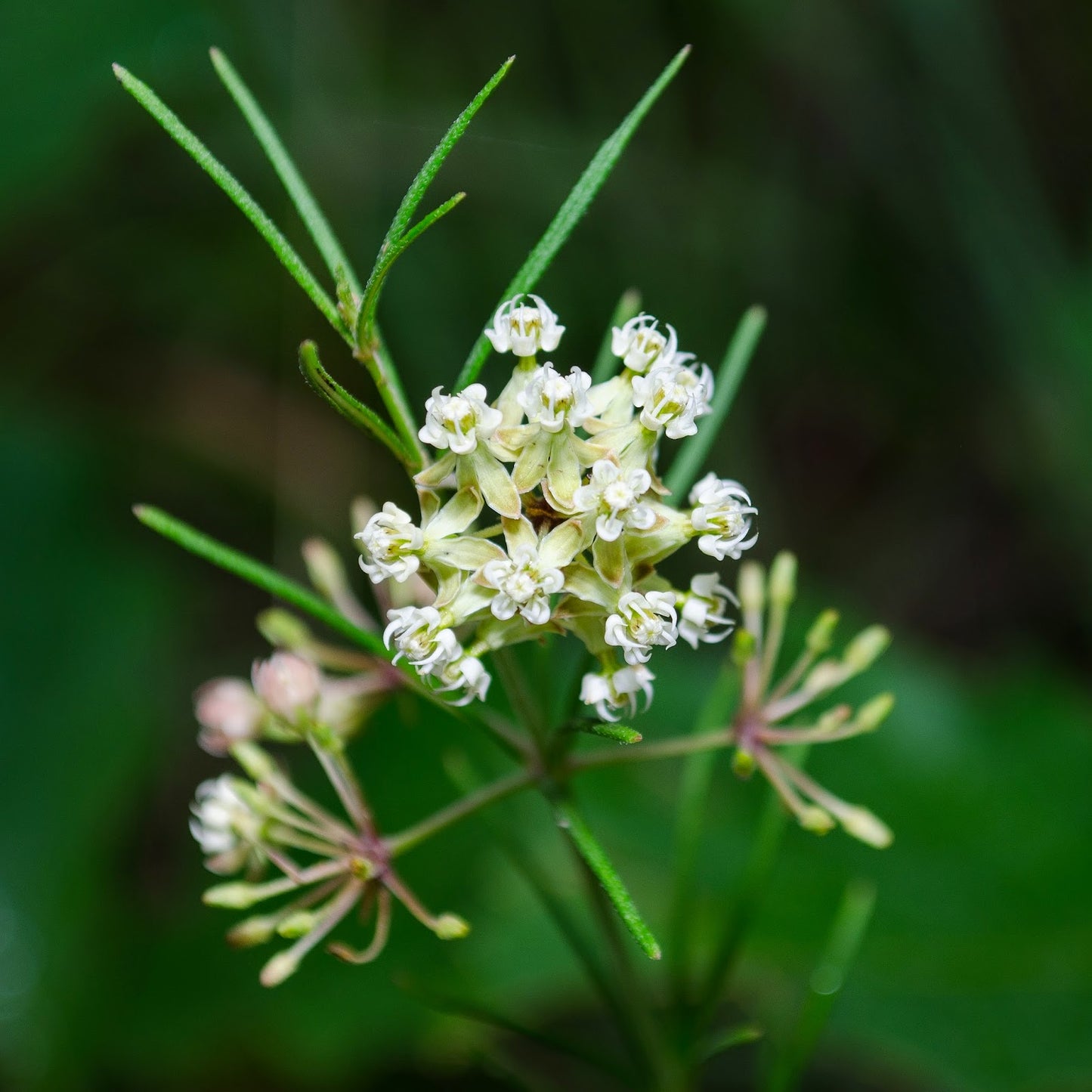
Bring native beauty and ecological value to your garden with Whorled Milkweed – Native Perennial Wildflower Seeds. Known for its distinctive whorled leaves and clusters of fragrant blooms, this perennial wildflower supports pollinators such as butterflies and bees while adding graceful, vertical interest to borders, meadows, and naturalized plantings.
Key Benefits
- Produces clusters of fragrant flowers that attract butterflies, bees, and other pollinators.
- Native perennial growth habit supports local ecosystems and wildlife.
- Elegant whorled foliage adds visual texture and structure to gardens.
- Versatile for naturalized areas, wildflower meadows, borders, and cottage gardens.
- Easy-to-grow from seed, suitable for beginner gardeners exploring native plants.
Planting & Growth Information
- Soil: Prefers well-drained soil, tolerates average fertility and sandy soils.
- Sunlight: Thrives in full sun to partial shade.
- Watering: Moderate; establish seedlings with consistent moisture, then drought-tolerant once mature.
- Growth Habit: Upright perennial wildflower forming clumps with whorled leaves.
- Height & Spread: Typically grows 18–36 inches tall, forming narrow to moderate clumps.
- Bloom Time: Summer, providing fragrant blooms and ecological benefits for weeks.
- Germination: Usually 14–28 days; stratification may improve germination for some native varieties.
Frequently Asked Questions
How does Whorled Milkweed benefit my garden?
Its blooms attract butterflies and bees, supporting pollinators while adding vertical interest and native charm.
Is it suitable for beginner gardeners?
Yes, this native perennial is hardy and easy to establish, making it perfect for those new to wildflower gardening.
Can it be grown in a meadow or naturalized area?
Absolutely—it thrives in naturalized plantings, borders, and wildflower meadows.
When will I see flowers?
Expect fragrant blooms in summer, offering both visual beauty and ecological value for weeks.
What is the ideal planting location?
Full sun to partial shade with well-drained soil provides optimal growth and flowering.