


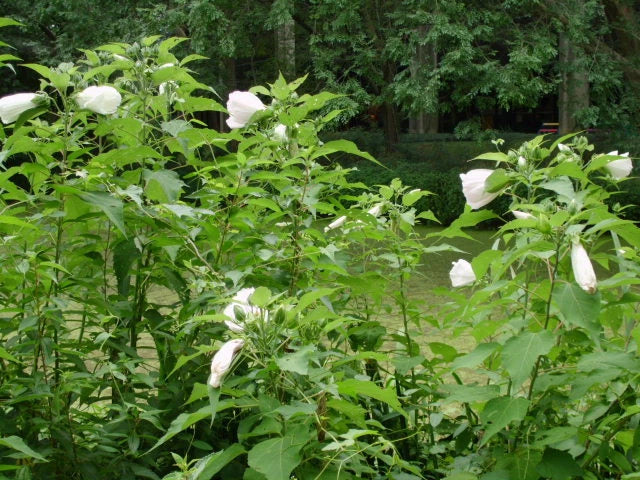
White Swamp Rose Mallow – All White Wild Hibiscus Flower Seeds
Enhance wetlands or water-edge gardens with White Swamp Rose Mallow – All White Wild Hibiscus Flower Seeds. This striking wild hibiscus produces large, pure white blooms that float gracefully above lush green foliage, creating a serene and elegant display in natural or cultivated aquatic settings.
Key Benefits
- All-white flowers: Large, delicate blooms add elegance and a serene charm to any water garden or wetland area.
- Perennial growth: Returns year after year with proper care, offering long-lasting floral beauty.
- Pollinator friendly: Attracts bees, butterflies, and other beneficial insects to enhance garden biodiversity.
- Versatile aquatic plant: Ideal for pond edges, wetlands, or rain gardens, providing both color and structure.
- Low-maintenance: Hardy and adaptable to moist soil conditions, making it suitable for novice gardeners.
Planting & Growth Information
- Soil: Moist, well-draining soil or shallow water at pond edges; tolerates clay or loamy soils.
- Sunlight: Full sun to partial shade for strong growth and prolific flowering.
- Watering: Keep soil consistently wet during establishment; thrives in naturally moist conditions.
- Germination: Seeds typically sprout in 2–4 weeks under moist, warm conditions.
- Height & Spread: Mature plants reach 3–6 feet tall with a 2–4 foot spread.
- Growth Type: Hardy perennial aquatic or semi-aquatic plant with upright stems and showy blooms.
- Bloom Season: Summer to early fall, producing elegant all-white flowers over several weeks.
Frequently Asked Questions
- Can White Swamp Rose Mallow grow in a pond or water garden?
- Yes, it thrives at pond edges, wetlands, or moist soil areas, adding elegance and structure.
- Is it suitable for beginner gardeners?
- Absolutely, it is hardy and requires minimal care once established in moist conditions.
- When do the plants bloom?
- Flowers typically appear in summer and continue into early fall, providing extended visual appeal.
- Does it attract pollinators?
- Yes, its large white blooms attract bees, butterflies, and other beneficial insects.
- What sunlight is ideal?
- Full sun promotes abundant blooms, but partial shade is also tolerated.