


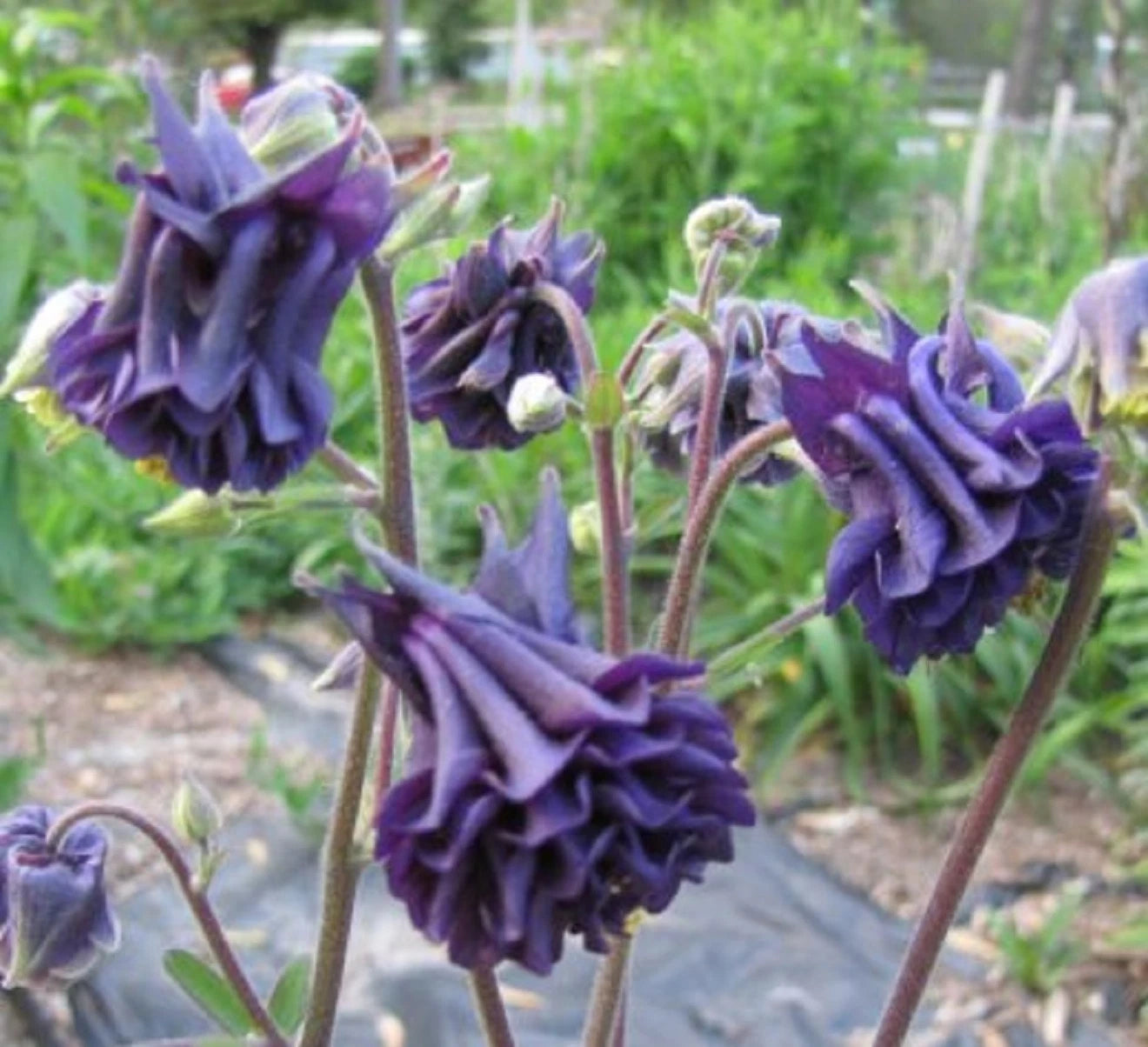
Tower Dark Blue Columbine Aquilegia Vulgaris – Perennial Flower Seeds
Elevate your garden with striking vertical blooms using Tower Dark Blue Columbine Aquilegia Vulgaris – Perennial Flower Seeds. These elegant flowers feature deep blue petals and a distinctive spurred form, perfect for adding height, color, and charm to perennial beds, borders, or cottage gardens.
Key Benefits:
- Rich dark blue flowers: Eye-catching blooms add dramatic color and visual interest.
- Perennial growth: Returns year after year, creating a reliable and enduring garden feature.
- Pollinator-friendly: Nectar-rich flowers attract bees, butterflies, and hummingbirds.
- Vertical interest: Tall, upright growth enhances garden structure and layered planting schemes.
- Versatile planting: Ideal for borders, perennial beds, or cottage garden landscapes.
Planting & Growth Information:
- Soil: Well-draining, fertile soil enriched with organic matter.
- Sunlight: Full sun to partial shade for optimal growth and flower development.
- Watering: Moderate watering; keep soil evenly moist during germination and early growth.
- Germination: 14–21 days; maintain warm, moist conditions for successful sprouting.
- Growth Type: Perennial flowering plant.
- Mature Height & Spread: Typically 2–3 feet tall with 1–2 feet spread.
- Bloom Season: Late spring to early summer; produces deep blue, spurred flowers that attract pollinators.
Frequently Asked Questions:
- How can these seeds enhance my garden? Tower Dark Blue Columbine adds bold color, vertical structure, and pollinator-friendly blooms to perennial beds.
- Are they suitable for beginner gardeners? Yes! With basic care and well-draining soil, these perennials grow reliably each year.
- Will they attract pollinators? Absolutely. Bees, butterflies, and hummingbirds are naturally drawn to the nectar-rich flowers.
- Where should I plant them? Sunny to partially shaded garden beds, borders, or cottage garden areas are ideal.
- How long until I see flowers? Expect blooms in late spring to early summer, typically the first or second year after germination.