


Tennessee Pink Redbud Cercis Canadensis – Flowering Tree Garden Seeds
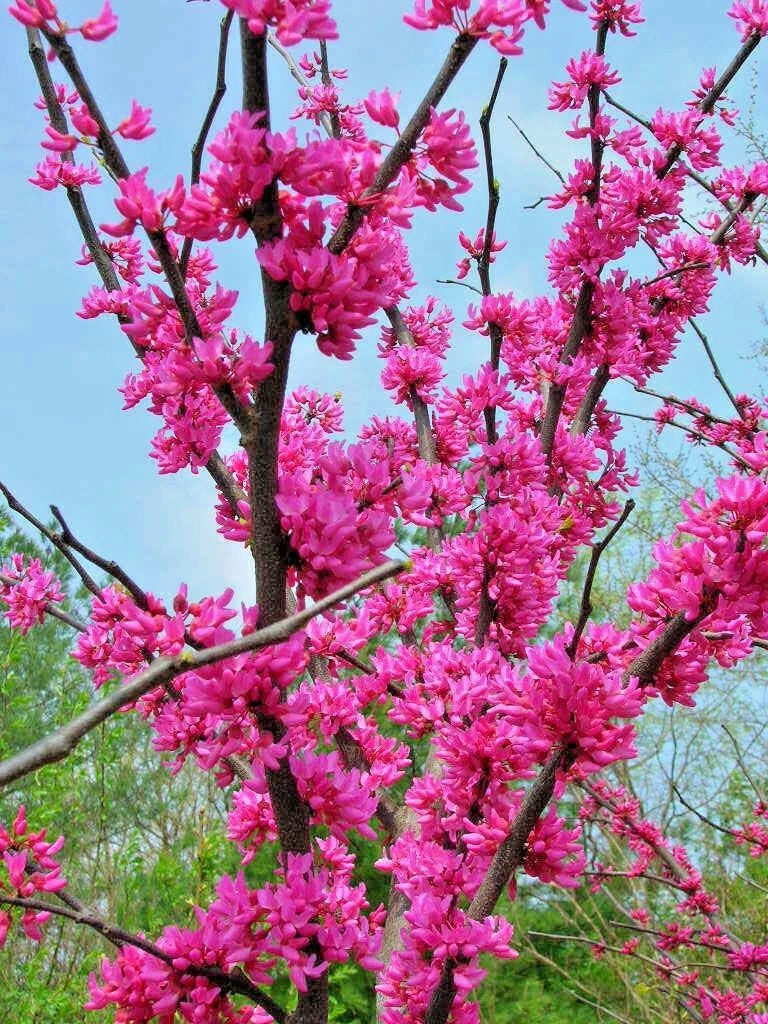
Bring springtime beauty and delicate color to your garden with Tennessee Pink Redbud Cercis Canadensis – Flowering Tree Garden Seeds. This deciduous flowering tree produces stunning clusters of soft pink to rosy-red blooms along its branches, creating a captivating display. Its graceful, spreading habit makes it perfect for ornamental landscapes, garden borders, or as a specimen tree, offering year-round visual interest with heart-shaped foliage and seasonal flowers.
Key Benefits
- Produces clusters of soft pink to rosy-red flowers in early spring, adding vibrant seasonal color.
- Deciduous flowering tree with elegant, heart-shaped leaves that create visual interest year-round.
- Attracts pollinators including bees and butterflies, supporting a lively garden ecosystem.
- Versatile planting for ornamental landscapes, garden borders, or as a standalone specimen tree.
- Easy-to-grow seeds suitable for beginner and experienced gardeners seeking flowering trees with charm.
Planting & Growth Information
- Soil: Prefers well-draining, fertile soil; tolerates clay or sandy soil with good drainage.
- Sunlight: Full sun to partial shade for optimal flowering and foliage development.
- Watering: Moderate; maintain consistent moisture during establishment, reducing slightly as the tree matures.
- Growth Habit: Small to medium-sized deciduous tree with spreading branches and heart-shaped foliage.
- Height & Spread: Typically grows 20–30 feet tall with a similar spread under favorable conditions.
- Bloom Time: Early spring, producing clusters of pink to red flowers before foliage fully develops.
- Germination: Usually 21–28 days; soaking or scarifying seeds can improve germination success.
Frequently Asked Questions
How does Tennessee Pink Redbud enhance a garden?
Its springtime pink to red blooms and heart-shaped leaves provide seasonal beauty and year-round interest in landscapes.
Is it suitable for beginner gardeners?
Yes, these hardy flowering tree seeds are relatively easy to grow with proper sunlight and soil conditions.
When will I see flowers?
Expect vibrant pink to rosy-red flowers in early spring before leaves fully develop.
Can it attract pollinators?
Absolutely—its spring blooms naturally attract bees and butterflies.
What is the ideal planting location?
Plant in full sun to partial shade with well-draining soil for optimal flowering and healthy growth.