


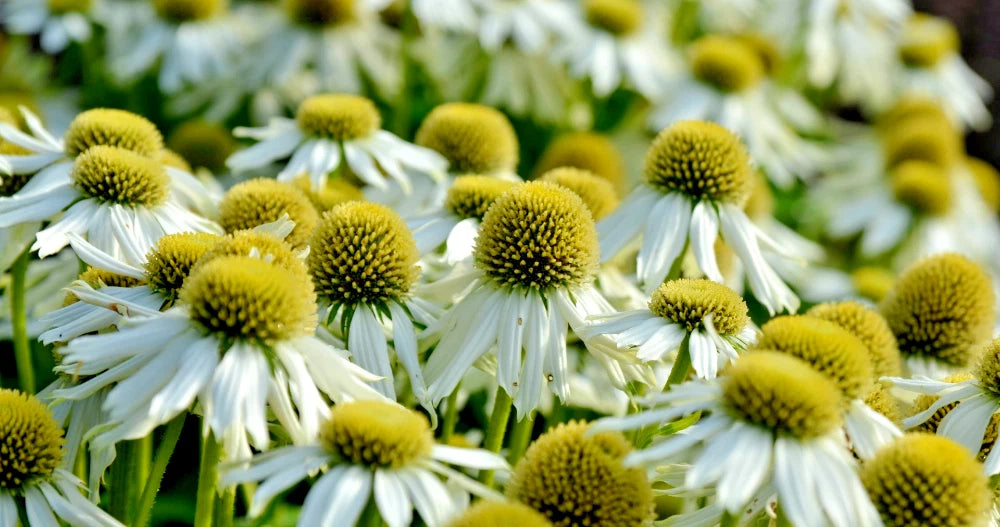
Snow Cone White Coneflower Echinacea – Hardy Perennial Flower Seeds
Brighten your garden with elegant blooms from Snow Cone White Coneflower Echinacea – Hardy Perennial Flower Seeds. This hardy perennial produces striking white, daisy-like flowers with prominent central cones atop strong stems, adding timeless beauty to borders, perennial beds, or cottage gardens. Its long-lasting blooms and resilient growth make it ideal for gardeners seeking a classic, low-maintenance perennial that attracts pollinators.
Key Benefits
- Produces striking white flowers with prominent central cones, creating a classic and elegant garden display.
- Hardy perennial that returns each year, providing consistent seasonal blooms.
- Supports pollinators, attracting bees, butterflies, and other beneficial insects to your garden.
- Versatile planting for borders, perennial beds, cottage gardens, or mixed flower arrangements.
- Easy-to-grow seeds suitable for beginner and experienced gardeners seeking resilient, low-maintenance perennials.
Planting & Growth Information
- Soil: Prefers well-draining, fertile soil enriched with organic matter.
- Sunlight: Full sun to partial shade for optimal flowering and sturdy growth.
- Watering: Moderate; maintain consistent moisture during germination and early growth stages.
- Growth Habit: Upright perennial with strong stems and large, daisy-like blooms.
- Height & Spread: Typically grows 2–4 feet tall with a spread of 1–2 feet.
- Bloom Time: Summer to early fall, producing long-lasting white flowers.
- Germination: Usually 14–21 days; light stratification or soaking can improve germination rates.
Frequently Asked Questions
How does Snow Cone White Coneflower enhance a garden?
Its elegant white blooms and prominent central cones create timeless beauty in perennial beds, borders, and cottage gardens.
Is it suitable for beginner gardeners?
Yes, this hardy perennial is easy to grow and maintain with basic care.
When will I see flowers?
Expect long-lasting white blooms from summer into early fall.
Can it attract pollinators?
Absolutely—bees, butterflies, and other beneficial insects are naturally drawn to its flowers.
What is the ideal planting location?
Plant in full sun to partial shade with well-draining soil for optimal growth and vibrant blooms.