

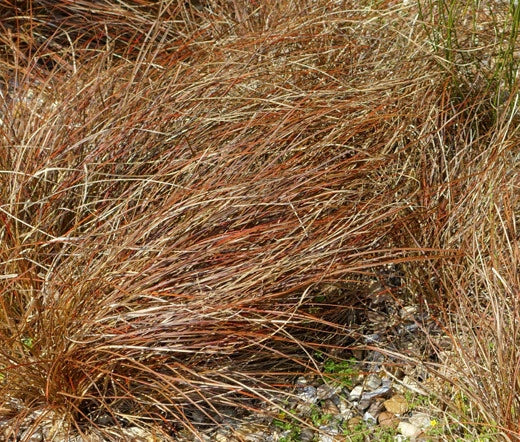
Sedge New Zealand Hair Cappuccino Carex Tenuiculmis – Ornamental Grass Seeds
Bring refined texture and warm tones to your garden with Sedge New Zealand Hair Cappuccino Carex Tenuiculmis seeds. This striking ornamental grass showcases cascading, hair-like foliage in rich cappuccino shades, creating movement and elegance in borders, containers, and modern landscapes.
Key Benefits:
- Unique Foliage Color: Warm cappuccino-brown tones stand out in mixed plantings and contemporary gardens.
- Graceful Form: Fine, hair-like leaves add a soft, flowing texture that dances with the breeze.
- Versatile Planting: Excellent for borders, containers, or mass planting for groundcover effect.
- Low Maintenance: Hardy and adaptable grass that thrives with minimal care.
- Year-Round Interest: Semi-evergreen foliage provides texture and color across multiple seasons.
Planting & Growth Information:
- Soil: Prefers well-drained, moderately fertile soil.
- Sunlight: Best in full sun to partial shade.
- Watering: Keep soil evenly moist when young; once established, it tolerates some dryness.
- Germination Time: Seeds sprout in 14–28 days under favorable conditions.
- Mature Height & Spread: Reaches 30–50 cm tall with an arching, tufted spread.
- Growth Type: Hardy perennial ornamental grass.
- Season of Interest: Foliage provides year-round texture with peak beauty in spring through autumn.
FAQ:
- What makes Carex Cappuccino a good choice for my garden?
- Its unique cappuccino-brown foliage and soft, flowing texture add warmth and elegance to borders, containers, or mixed plantings.
- Is it suitable for beginner gardeners?
- Yes, Carex Tenuiculmis is easy to grow, requiring little maintenance once established.
- How quickly will I see results?
- Seeds germinate within 2–4 weeks, and plants develop into attractive clumps within the first growing season.
- Where should I plant them?
- Ideal for sunny to partially shaded spots in borders, pots, or modern landscape designs.
- Will it survive winter?
- As a hardy perennial, it withstands cooler seasons, often retaining its foliage for year-round interest.