


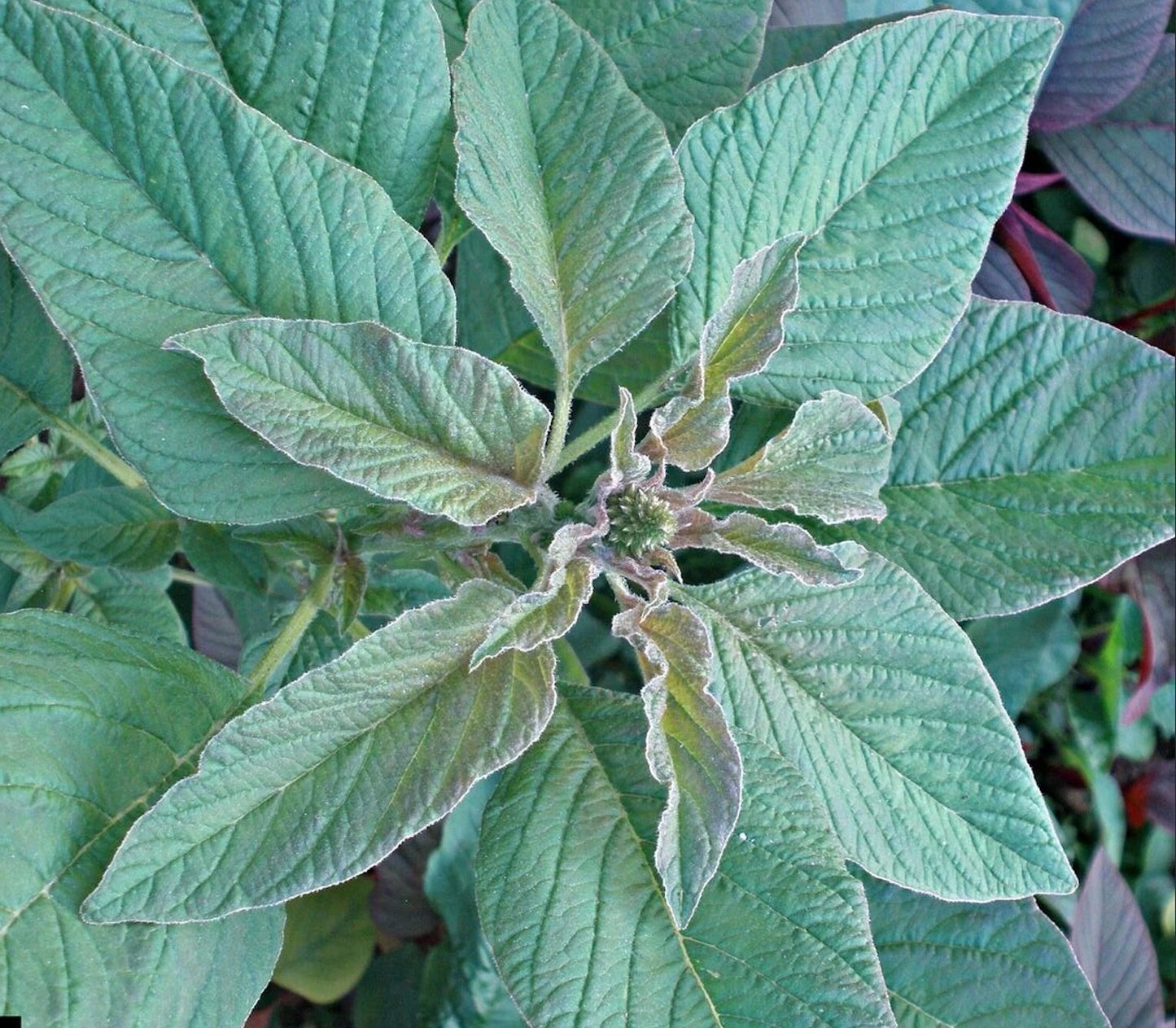
Red Root Pigweed Amaranthus Retroflexus – Edible Herb Seeds
Add vibrant color and culinary versatility to your garden with Red Root Pigweed Amaranthus Retroflexus – Edible Herb Seeds. This fast-growing herb produces striking red stems and leafy greens, making it a visually appealing and edible addition to vegetable gardens, borders, and container plantings.
Key Benefits:
- Vibrant red stems: Adds eye-catching color and texture to garden beds or mixed plantings.
- Edible greens: Leaves can be harvested for salads, stir-fries, or cooked dishes, offering fresh, nutritious greens.
- Fast-growing herb: Rapid growth allows for multiple harvests throughout the season.
- Pollinator-friendly: Flowers attract bees, butterflies, and other beneficial insects.
- Versatile landscaping: Suitable for vegetable gardens, borders, or container cultivation.
Planting & Growth Information:
- Soil: Well-draining, fertile soil; tolerates sandy, loamy, or moderately rich conditions.
- Sunlight: Full sun to partial shade for best growth and vibrant stem color.
- Watering: Moderate watering; keep soil evenly moist, especially during germination.
- Germination: 5–14 days; maintain warmth and moisture for reliable sprouting.
- Growth Type: Annual edible herb.
- Mature Height & Spread: Typically 2–4 feet tall with 1–2 feet spread.
- Harvest Season: Summer to early fall; leaves can be harvested once plants are established, and roots mature for edible use.
Frequently Asked Questions:
- How can these seeds enhance my garden? Red Root Pigweed adds striking red stems, lush edible greens, and pollinator-friendly flowers to your garden.
- Are they suitable for beginner gardeners? Yes! This hardy, fast-growing herb is easy to cultivate with basic care.
- Will they attract pollinators? Absolutely. The flowers draw bees, butterflies, and other beneficial insects.
- Where should I plant them? Full sun areas with well-draining soil are ideal, including vegetable gardens, borders, or containers.
- How long until I can harvest? Leaves can be harvested in a few weeks after germination; roots mature later in the season for culinary use.