


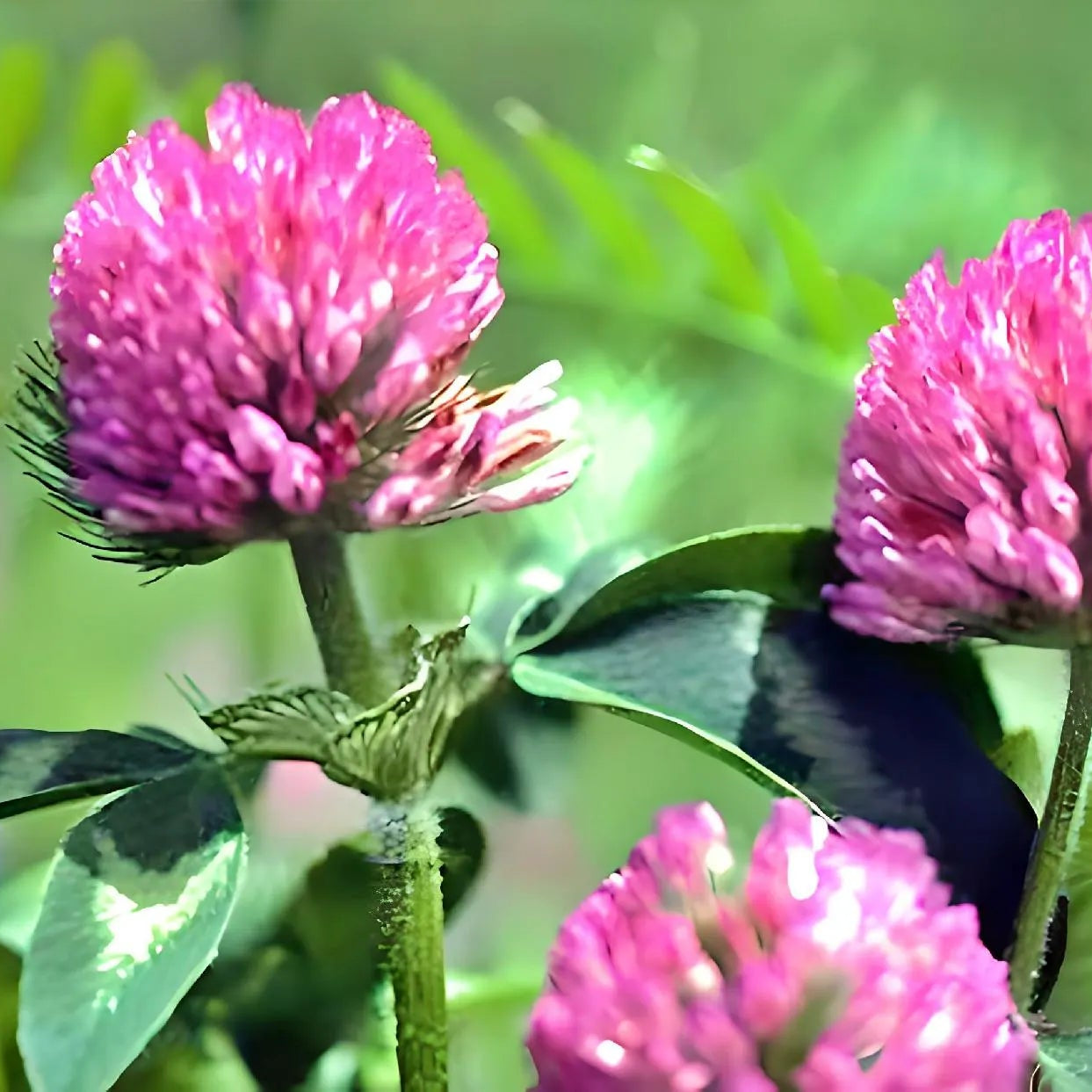
Red Clover (Trifolium pratense) is a versatile, nutrient-building cover crop valued by home gardeners, organic growers, and sustainable farms. These Heirloom, Non-GMO seeds are ideal for improving soil fertility, supporting pollinators, and maintaining long-term garden health. Known for its fast growth and deep root system, Red Clover enriches soil naturally by fixing nitrogen, reducing erosion, and enhancing soil structure.
Whether you’re preparing new planting beds, rotating crops, or supporting a pollinator-friendly landscape, Red Clover is an efficient, low-maintenance choice suitable for a wide range of climates.
Features
-
Heirloom & Non-GMO: Pure, untreated seed stock with stable genetic traits.
-
Pollinator-Friendly: Produces nectar-rich blooms that attract bees and beneficial insects.
-
Nitrogen-Fixing Cover Crop: Improves soil fertility for future vegetable, herb, and flower plantings.
-
Fast Establishment: Quick germination and strong early growth support effective ground coverage.
-
Low Maintenance: Thrives in a variety of soils with minimal watering once established.
-
Cool-Season Performance: Grows well in early spring and fall conditions.
-
Multi-Use Crop: Ideal for soil improvement, forage, green manure, and erosion control.
Specifications
-
Seed Type: Heirloom, Non-GMO
-
Botanical Name: Trifolium pratense
-
Growth Habit: Upright, bushy
-
Plant Type: Biennial (often grown as an annual)
-
Sunlight: Full sun to partial shade
-
Soil Type: Loamy, well-drained soil preferred
-
Germination Time: 7–14 days
-
Height at Maturity: 12–20 inches
-
Bloom Season: Late spring to summer
-
Spacing: 6–12 inches
-
Water Needs: Moderate; drought-tolerant once established
-
Uses: Cover crop, soil enrichment, pollinator support, forage
-
Zones: Suitable for USDA Zones 3–9
Planting Guide
-
Prepare Soil: Loosen soil to create a fine, smooth seedbed.
-
Sow Seeds: Broadcast evenly or sow in rows; cover lightly with soil (no deeper than ¼ inch).
-
Watering: Keep soil consistently moist until germination.
-
Maintenance: Mow or trim before flowering if using as green manure.
-
Soil Improvement: Incorporate into soil at peak growth to maximize nitrogen release.