


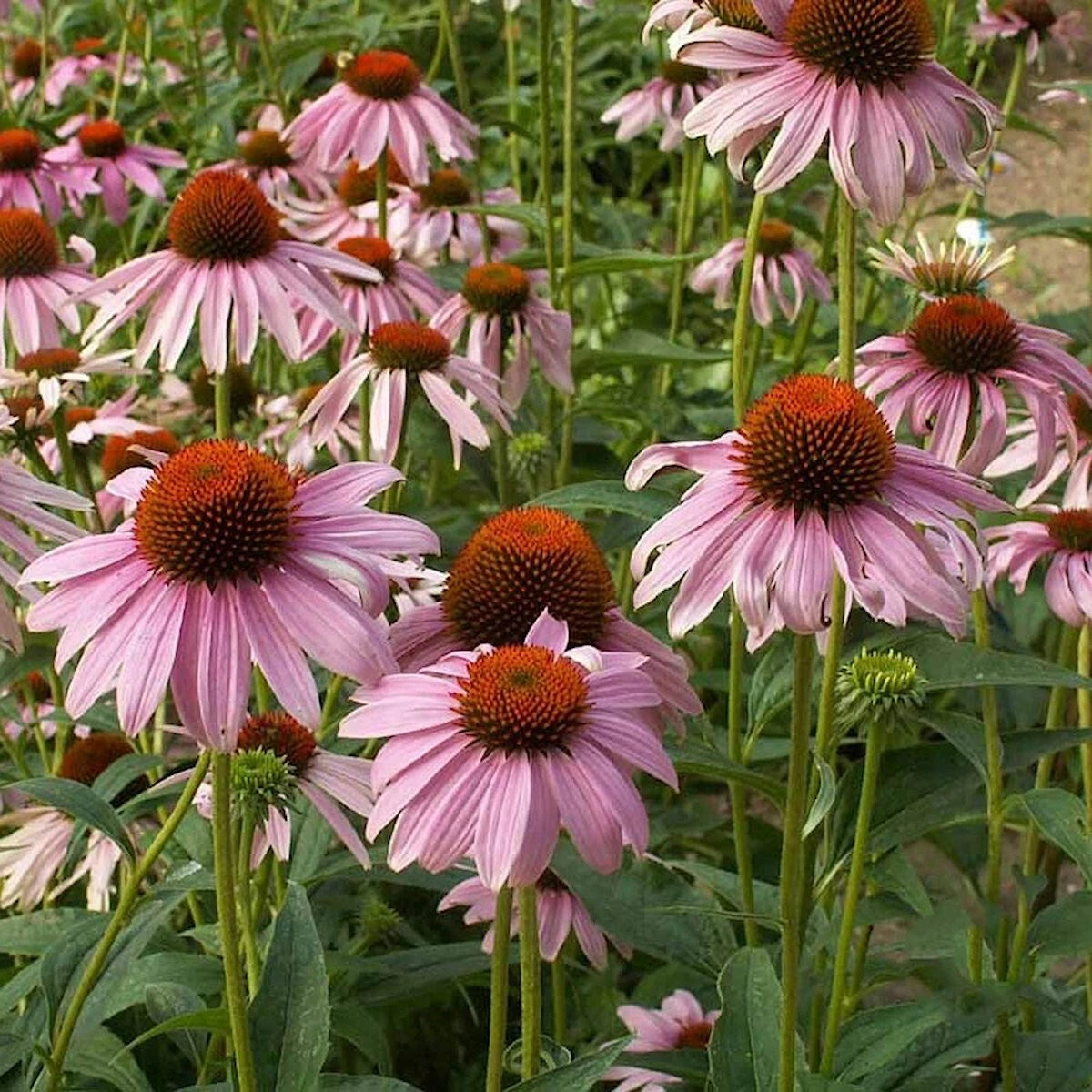
Purple Coneflower Echinacea Purpurea – Perennial Wildflower Seeds
Add natural beauty and lasting color to your garden with Purple Coneflower Echinacea Purpurea – Perennial Wildflower Seeds. This classic perennial produces striking purple, daisy-like blooms with prominent central cones, offering a timeless appeal to borders, wildflower meadows, and pollinator-friendly gardens. Its upright habit and hardy nature make it a dependable choice for year-after-year enjoyment.
Key Benefits
- Vibrant purple flowers: Large, daisy-like blooms with prominent orange-brown central cones create a bold visual impact.
- Perennial growth: Returns each year, providing long-lasting color and structure.
- Pollinator-friendly: Attracts bees, butterflies, and other beneficial insects to your garden.
- Easy to grow: Hardy and adaptable, ideal for both novice and experienced gardeners.
- Versatile uses: Perfect for borders, wildflower gardens, and naturalistic landscapes.
Planting & Growth Information
- Soil: Well-draining, moderately fertile soil; tolerates dry conditions once established.
- Sunlight: Full sun promotes abundant flowering and strong growth.
- Watering: Moderate; keep soil moist during germination, then water as needed.
- Germination: Seeds typically sprout in 10–20 days under warm, moist conditions.
- Height & Spread: Mature plants grow 2–4 feet tall with a spread of 1–2 feet.
- Growth Type: Hardy perennial wildflower.
- Bloom Season: Mid-summer through early fall, providing long-lasting visual interest.
Frequently Asked Questions
- When will I see the first flowers?
- Seedlings generally bloom in their second season, though with optimal conditions some may flower in the first year.
- Are Purple Coneflowers suitable for beginners?
- Yes, they are hardy perennials that tolerate a range of soil conditions and require minimal maintenance.
- Will they attract pollinators?
- Absolutely, bees, butterflies, and other beneficial insects are drawn to the large, nectar-rich blooms.
- Can they grow in poor soil?
- Yes, once established, they tolerate moderately poor soil as long as it is well-draining.
- Do they spread each year?
- Yes, they form clumps that can expand over time, gradually enhancing garden beds and wildflower areas.