

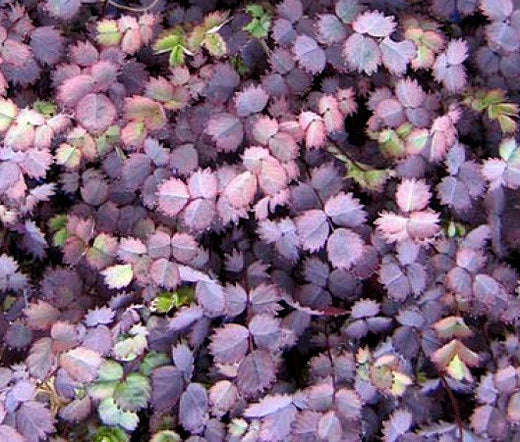
New Zealand Burr Acaena Inermis Purpurea – Hardy Garden Plant Seeds
Add low-maintenance, colorful ground cover to your garden with New Zealand Burr Acaena Inermis Purpurea seeds. Known for its attractive purplish foliage and spreading growth habit, this hardy perennial is ideal for borders, rock gardens, and slopes, providing texture, color, and erosion control.
Key Benefits:
- Rich Purple Foliage: Striking purplish leaves provide seasonal color and visual interest throughout the growing season.
- Hardy and Low Maintenance: Thrives in a range of soil types and conditions, requiring minimal care once established.
- Spreading Ground Cover: Forms dense mats that help suppress weeds and prevent soil erosion on slopes or garden beds.
- Versatile Garden Use: Ideal for borders, rockeries, slopes, and mixed plantings.
- Pollinator-Friendly: Small, inconspicuous flowers attract beneficial insects, supporting biodiversity.
Planting & Growth Information:
- Soil: Prefers well-drained soil; tolerates sandy, loamy, or rocky soils.
- Sunlight: Full sun to partial shade for optimal foliage color and healthy growth.
- Watering: Moderate watering during establishment; drought-tolerant once mature.
- Germination Time: Typically 14–28 days under optimal conditions.
- Mature Height & Spread: Grows 10–20 cm tall with a spreading habit up to 60–80 cm.
- Growth Type: Perennial ground cover plant.
- Bloom Season: Small flowers appear in late spring to early summer; foliage remains the main attraction.
FAQ:
- How can these seeds enhance my garden?
- New Zealand Burr Acaena Inermis Purpurea produces rich purple foliage and dense mats, adding color, texture, and effective ground cover to borders, rock gardens, and slopes.
- Are these plants suitable for beginner gardeners?
- Yes! Hardy, low-maintenance, and adaptable to a variety of soil types, making them easy to grow and maintain.
- When will I see growth?
- Germination occurs in 2–4 weeks, with foliage gradually developing to form dense, colorful mats.
- Where is the best location to plant them?
- Full sun to partial shade areas with well-drained soil; ideal for borders, rockeries, slopes, and mixed plantings.
- Will these plants attract pollinators?
- Yes! Small, inconspicuous flowers attract bees and other beneficial insects, supporting garden biodiversity.