

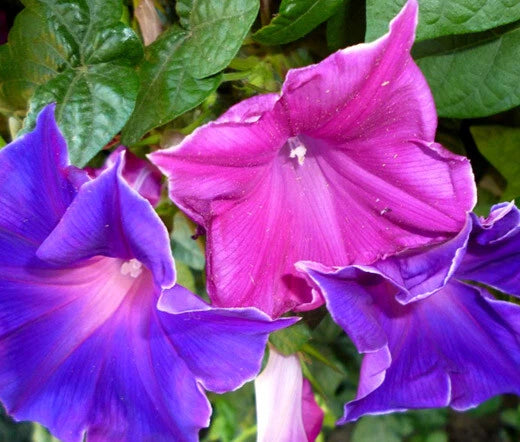
Morning Glory Japanese Kikyo Zaki Ipomoea Nil – Climbing Garden Flower Seeds
Enhance vertical spaces with the stunning Morning Glory Japanese Kikyo Zaki Ipomoea Nil seeds. This climbing annual produces elegant, bell-shaped flowers in delicate shades of blue, creating cascading displays along trellises, fences, and arbors while bringing a serene and enchanting touch to your garden.
Key Benefits:
- Elegant Blue Blooms: Bell-shaped flowers add vertical interest and a calming pop of color to gardens and patios.
- Rapid Climber: Twining stems grow quickly along trellises, fences, and arbors, perfect for vertical gardening.
- Long Blooming Season: Flowers appear from early summer through autumn, offering continuous beauty.
- Pollinator-Friendly: Attracts bees, butterflies, and hummingbirds, promoting a lively garden ecosystem.
- Versatile Uses: Ideal for trellises, pergolas, fences, containers, and balcony gardens.
Planting & Growth Information:
- Soil: Well-drained, fertile soil enriched with organic matter.
- Sunlight: Full sun to partial shade for vibrant blooms and healthy growth.
- Watering: Keep soil consistently moist but avoid waterlogging.
- Germination Time: 7–14 days under optimal conditions.
- Mature Height & Spread: Climbs up to 2–3 meters tall with a twining growth habit.
- Growth Type: Annual climbing flowering plant.
- Bloom Season: Early summer through autumn for long-lasting, elegant blue flowers.
FAQ:
- How will Morning Glory Japanese Kikyo Zaki enhance my garden?
- The graceful bell-shaped blooms and twining habit provide stunning vertical interest for trellises, fences, and arbors.
- Is this plant suitable for beginners?
- Yes, it is fast-growing, easy to maintain, and ideal for novice gardeners seeking climbing annual flowers.
- When will the flowers appear?
- Seeds germinate in 1–2 weeks, with blooms appearing from early summer and lasting through autumn.
- Where should I plant these seeds?
- Full sun to partial shade with well-drained soil ensures the brightest blue flowers and vigorous climbing growth.
- Does it attract pollinators?
- Yes, the flowers attract bees, butterflies, and hummingbirds, supporting a healthy garden ecosystem.