


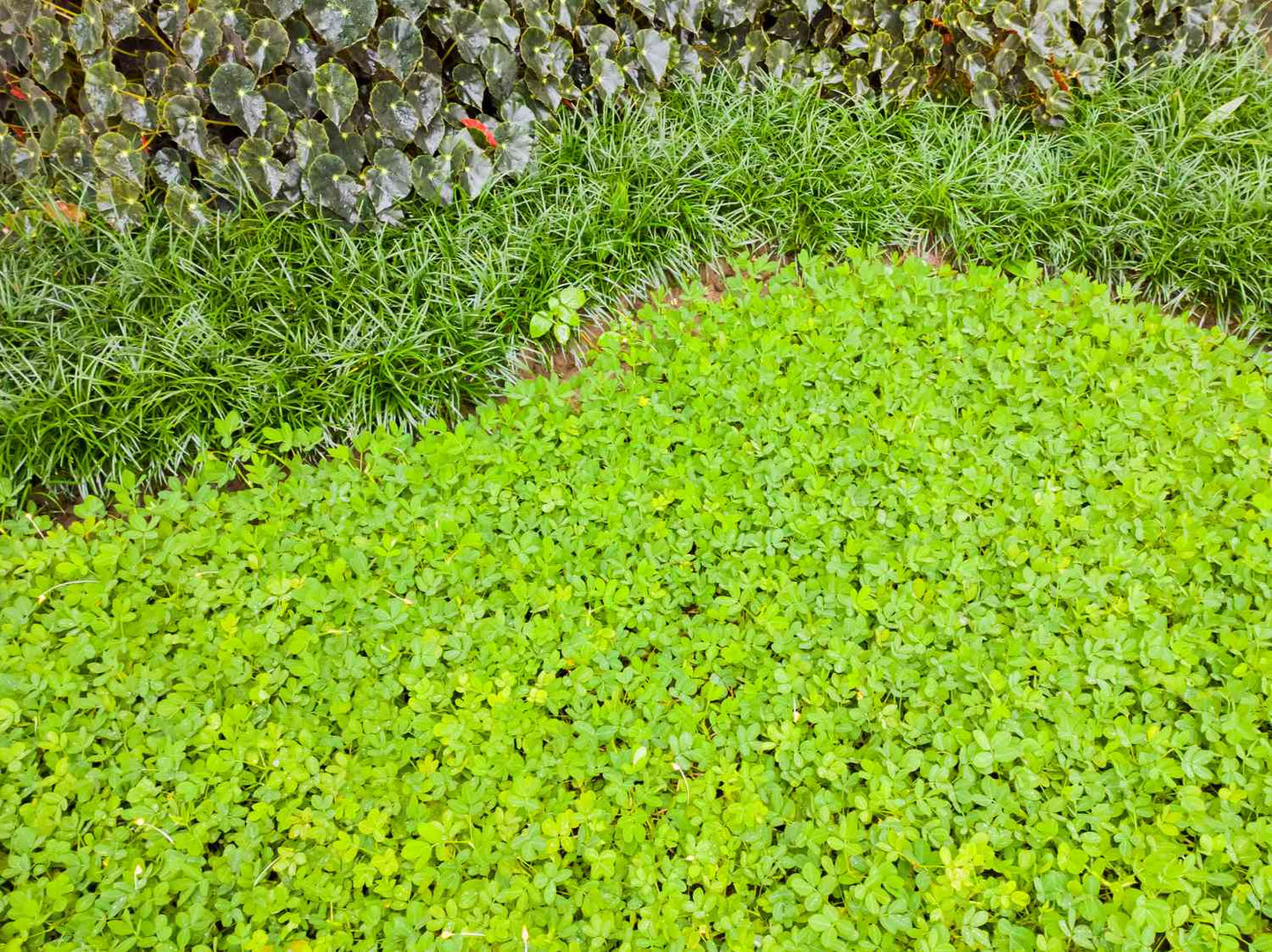
Mini Clover, also known as Microclover, is an excellent low-maintenance groundcover widely used as a natural lawn alternative. These Heirloom, Non-GMO seeds produce compact, fine-leaf clover that stays green throughout the growing season and requires significantly less mowing than traditional grass. Mini Clover blends well with existing lawns or can be grown as a standalone cover for a soft, dense, and eco-friendly landscape.
Microclover is drought-tolerant, nitrogen-fixing, and naturally helps suppress weeds—making it ideal for home gardens, landscapes, pathways, and pet-friendly lawns. Its self-regenerating growth habit ensures quick recovery from foot traffic while maintaining an even, lush appearance.
Features
-
Heirloom & Non-GMO seed variety for reliable, natural growth.
-
Low-mow groundcover, reducing lawn maintenance time and cost.
-
Drought-tolerant and requires less watering once established.
-
Nitrogen-fixing plant that improves soil health naturally.
-
Soft, dense foliage suitable for children, pets, and high-traffic areas.
-
Blends well with turfgrass or grows as a full lawn alternative.
-
Pollinator-friendly, attracting beneficial insects.
-
Self-repairing growth habit that spreads and thickens over time.
Specifications
-
Plant Type: Perennial Groundcover
-
Botanical Name: Trifolium repens var. pirouette (Microclover)
-
Growth Habit: Low-growing, compact, forms dense mats
-
Height: 3–6 inches
-
Spacing: 2–4 inches
-
Sun Requirements: Full Sun to Partial Shade
-
Water Needs: Moderate during establishment; low once mature
-
Climate Zones: Suitable for USDA Zones 3–10
-
Germination Time: 7–14 days
-
Days to Maturity: 60–90 days
-
Season of Sowing: Spring or Early Fall
-
Soil Type: Well-drained, fertile soil
-
Soil pH: Neutral to slightly acidic (6.0–7.0)
-
GMO Status: 100% Non-GMO
-
Seed Type: Heirloom, open-pollinated
Planting Guide
-
Prepare Soil: Loosen the top 2–3 inches of soil and remove weeds.
-
Sow Seeds: Broadcast evenly over the prepared area.
-
Cover Lightly: Rake gently to ensure seeds make contact with soil.
-
Water: Keep soil consistently moist until germination.
-
Maintenance: Reduce watering once plants are established; occasional trimming helps maintain a uniform look.