


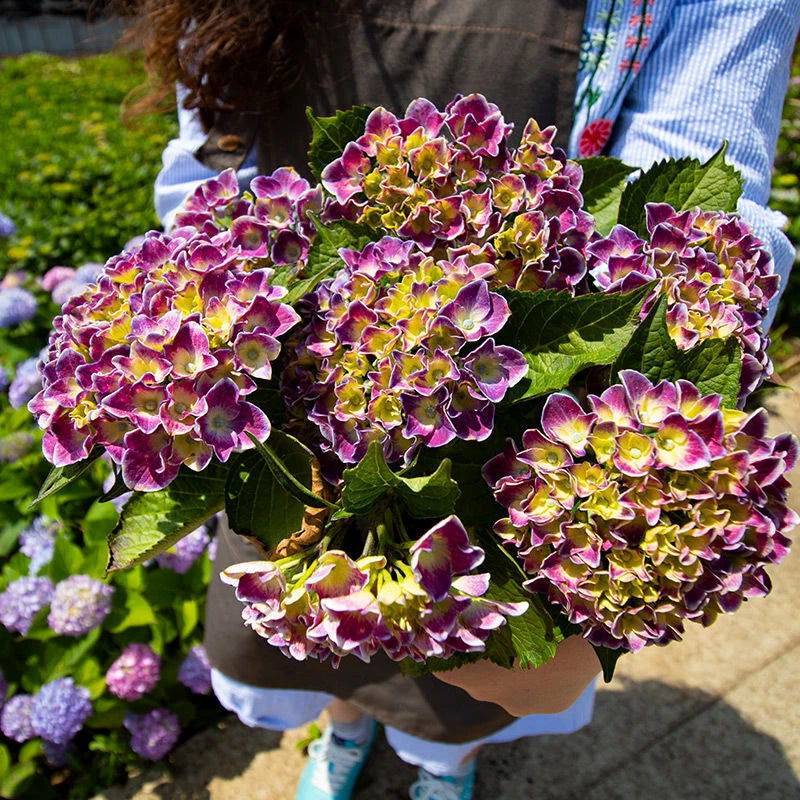
Hydrangea – Perennial Garden Flower Bush Seeds
Enhance your garden with Hydrangea Seeds, producing lush, perennial flowering bushes. Known for large, globe-shaped blooms, these plants create dramatic displays in beds, borders, or as ornamental shrubs.
Key Benefits
- Lush Perennial Blooms: Adds volume and vibrant color to any garden.
- Garden Versatility: Perfect for beds, borders, and ornamental shrub displays.
- Long Bloom Season: Provides extended visual interest throughout summer.
- Pollinator-Friendly: Attracts bees and butterflies to your garden.
- Beginner-Friendly: Easy to grow with well-draining soil and sunlight.
Planting & Care
- Sunlight: Partial to full sun for optimal growth.
- Soil: Fertile, well-draining soil with organic matter.
- Watering: Moderate; keep soil moist but not waterlogged.
- Germination: Seeds sprout in 14–28 days.
- Plant Type: Perennial flowering bush with large, colorful blooms.
Frequently Asked Questions
Are Hydrangeas beginner-friendly?
Yes, they grow well in home gardens with basic care.
Can they be used as shrubs?
Absolutely, they make lush ornamental shrubs for borders and beds.
When do they bloom?
Blooms appear in late spring through summer.
Do they attract pollinators?
Yes, their flowers attract bees and butterflies naturally.