

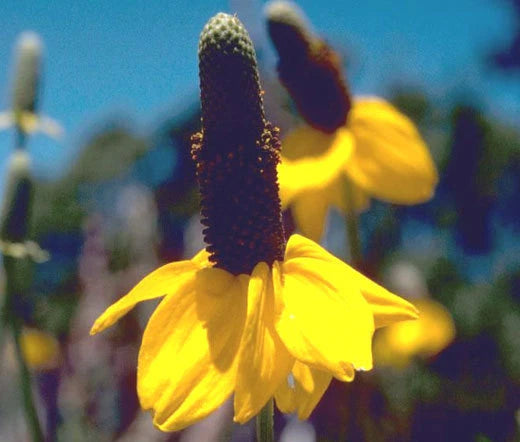
Coneflower Clasping Rudbeckia Amplexicaulis – Perennial Garden Flower Seeds
Add graceful, long-lasting blooms to your garden with Coneflower Clasping Rudbeckia Amplexicaulis seeds. This perennial produces bright yellow, daisy-like flowers with dark centers, offering a striking display in garden borders, meadows, and perennial beds, while attracting pollinators throughout the growing season.
Key Benefits:
- Vivid Yellow Blooms: Bright daisy-like flowers create cheerful focal points in any garden setting.
- Perennial Growth: Returns year after year, providing consistent garden interest.
- Pollinator-Friendly: Attracts bees, butterflies, and other beneficial insects to support a healthy ecosystem.
- Versatile Garden Use: Ideal for borders, meadows, mixed perennial beds, and wildlife-friendly gardens.
- Low Maintenance: Hardy and resilient, perfect for gardeners seeking long-lasting blooms with minimal care.
Planting & Growth Information:
- Soil: Well-drained, moderately fertile soil.
- Sunlight: Full sun for optimal flowering and vibrant color.
- Watering: Water regularly during establishment; drought-tolerant once mature.
- Germination Time: 10–21 days under optimal conditions.
- Mature Height & Spread: Grows 60–90 cm tall with a spread of 30–45 cm.
- Growth Type: Hardy perennial flowering plant.
- Bloom Season: Summer through early autumn for continuous bright yellow blooms.
FAQ:
- How will Coneflower Clasping enhance my garden?
- Its bright yellow daisy-like blooms provide long-lasting color and attract pollinators, enriching borders, meadows, and perennial beds.
- Is this plant suitable for beginners?
- Yes, Rudbeckia Amplexicaulis is hardy, easy to grow, and low-maintenance, making it ideal for novice gardeners.
- When will the flowers appear?
- Seeds germinate in 1–3 weeks, with blooms emerging in summer and lasting into early autumn.
- Where should I plant these seeds?
- Full sun locations with well-drained soil are ideal; perfect for garden borders, perennial beds, and wildlife-friendly gardens.
- Will it attract pollinators?
- Yes, bees, butterflies, and other beneficial insects are drawn to its bright yellow blooms.