


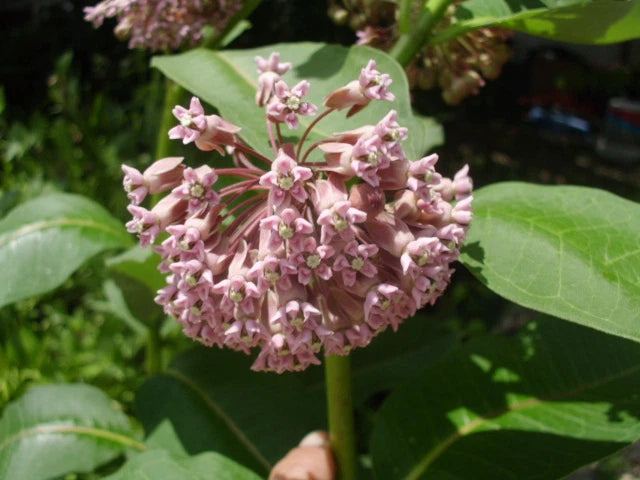
Common Milkweed Asclepias Syriaca – Pollinator Flower Seeds
Invite nature’s helpers into your garden with Common Milkweed Asclepias Syriaca – Pollinator Flower Seeds. This iconic native plant produces clusters of soft pink to mauve flowers that attract butterflies, bees, and other pollinators, creating a lively and colorful garden space.
Key Benefits:
- Pollinator magnet: Draws butterflies, bees, and hummingbirds, supporting a thriving garden ecosystem.
- Vibrant flower clusters: Showy blooms add texture and color to garden beds or naturalized areas.
- Wildlife-friendly: Provides food and habitat for caterpillars, particularly monarch butterflies.
- Low-maintenance growth: Hardy and adaptable to a variety of soils and climates.
- Versatile landscaping: Ideal for borders, meadows, or as part of a pollinator garden.
Planting & Growth Information:
- Soil: Well-draining, moderately fertile soil; tolerates sandy or loamy conditions.
- Sunlight: Full sun preferred for robust flowering and growth.
- Watering: Water regularly during establishment; mature plants are drought-tolerant.
- Germination: 14–21 days; scarification or cold stratification can improve sprouting.
- Growth Type: Perennial; upright stems with broad leaves.
- Mature Height & Spread: Typically 3–5 feet tall with 2–3 feet spread.
- Bloom Season: Summer, producing fragrant pink-mauve flower clusters.
Frequently Asked Questions:
- How can these seeds benefit my garden? Their flowers attract pollinators, enrich biodiversity, and create a lively, colorful environment.
- Are they suitable for beginner gardeners? Yes! Common Milkweed is resilient and easy to grow with basic care.
- Will they attract butterflies? Absolutely. Monarchs and other butterflies rely on milkweed for feeding and laying eggs.
- Where should I plant them? Choose a sunny, well-draining spot in your garden, ideal for naturalized areas or flower borders.
- How long until I see blooms? Expect flowers in the first summer or second year, with perennial returns in following seasons.