

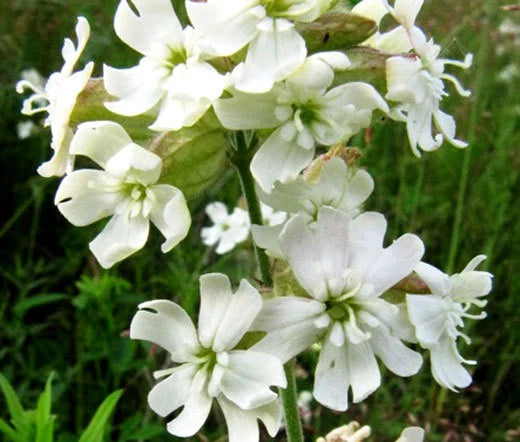
Catchfly Nodding White Snowdrop Silene Pendula – Hardy Garden Flower Seeds
Add delicate charm and subtle elegance to your garden with Catchfly Nodding White Snowdrop Silene Pendula seeds. This hardy perennial produces graceful, nodding white blooms reminiscent of snowdrops, perfect for borders, rock gardens, and naturalized garden areas.
Key Benefits:
- Elegant Nodding White Flowers: Graceful snowdrop-like blooms add a serene, timeless touch to any garden space.
- Hardy & Resilient: Thrives in a variety of soil types and tolerates cooler climates, making it a low-maintenance perennial.
- Compact Growth: Ideal for borders, rock gardens, and small naturalized areas.
- Extended Blooming Season: Continuous flowering throughout late spring and early summer provides lasting visual interest.
- Pollinator-Friendly: Flowers attract bees and beneficial insects, enhancing your garden ecosystem.
Planting & Growth Information:
- Soil: Well-drained, moderately fertile soil supports healthy growth and abundant flowering.
- Sunlight: Full sun to partial shade encourages strong stems and vibrant blooms.
- Watering: Moderate watering keeps soil moist without waterlogging.
- Germination Time: 14–21 days under optimal conditions.
- Mature Height & Spread: Grows 25–35 cm tall with a spread of 20–30 cm.
- Growth Type: Hardy perennial with compact, upright habit.
- Bloom Season: Late spring to early summer, providing delicate white flowers and garden charm.
FAQ:
- How will Catchfly Nodding White Snowdrop enhance my garden?
- The nodding white blooms create serene elegance, ideal for borders, rock gardens, and naturalized areas.
- Is this plant suitable for beginners?
- Yes, it is hardy, low-maintenance, and easy to grow, making it perfect for novice gardeners.
- When can I expect flowers?
- Flowers appear from late spring through early summer, adding lasting visual appeal.
- Where is the best planting location?
- Full sun to partial shade in well-drained soil encourages healthy growth and abundant flowering.
- Does it attract pollinators?
- Yes, the delicate blooms attract bees and other beneficial insects, supporting a thriving garden ecosystem.