

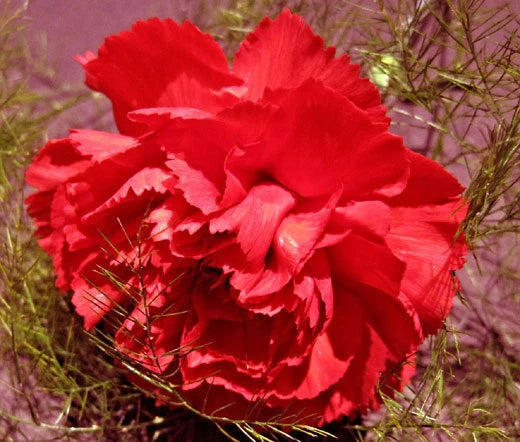
Carnation Grenadin Scarlet Dianthus Caryophyllus – Colorful Garden Flower Seeds
Add elegance and vibrant scarlet color to your garden with Carnation Grenadin Scarlet Dianthus Caryophyllus seeds. Known for its ruffled, fragrant blooms and compact growth, this perennial carnation is perfect for borders, rock gardens, containers, and cottage-style garden beds.
Key Benefits:
- Rich Scarlet Blooms: Frilled, vibrant flowers create a stunning visual display and add depth to any garden setting.
- Compact Growth: Dense, low-growing habit makes it ideal for borders, edging, and container planting.
- Long-Lasting Flowers: Blooming season produces extended floral display, enhancing garden color over time.
- Pollinator-Friendly: Flowers attract bees and butterflies, supporting a lively garden ecosystem.
- Versatile Garden Use: Suitable for rock gardens, mixed beds, containers, and cottage-style garden designs.
Planting & Growth Information:
- Soil: Prefers well-drained, fertile soil enriched with organic matter.
- Sunlight: Full sun to partial shade for optimal flowering.
- Watering: Keep soil moderately moist; avoid waterlogging to prevent root issues.
- Germination Time: Typically 14–21 days under ideal conditions.
- Mature Height & Spread: Grows 30–45 cm tall with a spread of 20–30 cm.
- Growth Type: Perennial flowering plant, often grown as an annual in temperate regions.
- Bloom Season: Late spring through summer, producing long-lasting scarlet blooms.
FAQ:
- How can these seeds enhance my garden?
- Carnation Grenadin Scarlet produces vibrant, ruffled blooms and compact foliage, adding elegant scarlet color to borders, containers, and cottage-style gardens.
- Are these plants suitable for beginner gardeners?
- Yes! With well-drained soil, moderate watering, and sun exposure, these carnations are easy to grow for novice gardeners.
- When will I see flowers?
- Germination takes about 2–3 weeks, with blooms appearing in late spring through summer.
- Where is the best location to plant them?
- Full sun to partial shade areas with well-drained soil; ideal for borders, rock gardens, containers, and mixed flower beds.
- Will these flowers attract pollinators?
- Yes! Bees, butterflies, and other beneficial insects are naturally drawn to the fragrant, scarlet blooms.