

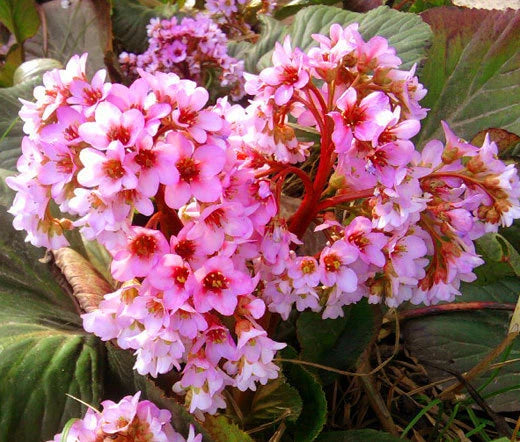
Bergenia Heartleaf Pigsqueak Bergenia Cordifolia – Hardy Garden Flower Seeds
Add bold foliage and charming blooms to your garden with Bergenia Heartleaf Pigsqueak Bergenia Cordifolia seeds. This hardy perennial features large, glossy heart-shaped leaves that remain attractive year-round and produces clusters of pink to magenta flowers, adding color and texture to borders, rock gardens, and shaded garden areas.
Key Benefits:
- Bold Heart-Shaped Foliage: Glossy, deep green leaves create year-round interest and structure in the garden.
- Vibrant Flowers: Clusters of pink to magenta blooms provide striking color from early spring onward.
- Hardy Perennial: Returns year after year, forming lush clumps that enhance garden borders and shaded areas.
- Low-Maintenance: Adaptable to a variety of soil conditions and resistant to most pests.
- Pollinator-Friendly: Attracts bees and beneficial insects, supporting garden biodiversity.
Planting & Growth Information:
- Soil: Well-drained, fertile soil enriched with organic matter; tolerates clay or rocky soils.
- Sunlight: Partial to full shade; tolerates morning sun in cooler climates.
- Watering: Keep soil moderately moist, especially during establishment; drought-tolerant once mature.
- Germination Time: 14–21 days under optimal conditions.
- Mature Height & Spread: Grows 30–45 cm tall with a spread of 40–60 cm.
- Growth Type: Hardy perennial flowering plant.
- Bloom Season: Early spring through late spring for clusters of pink to magenta flowers.
FAQ:
- How will Bergenia Heartleaf enhance my garden?
- The glossy heart-shaped foliage adds year-round structure, while pink to magenta blooms bring early-season color and charm.
- Is this plant beginner-friendly?
- Yes, it is hardy, low-maintenance, and suitable for novice gardeners seeking perennial foliage and flowers.
- When will the flowers appear?
- Seeds germinate in 2–3 weeks, with blooms appearing in early to late spring.
- Where is the best planting location?
- Partial to full shade with well-drained soil ensures lush foliage and vibrant flowers.
- Does it attract pollinators?
- Yes, bees and other beneficial insects are naturally drawn to the clusters of flowers.