


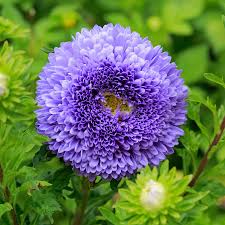
Aster Pompon Light Blue Callistephus Chinensis – Dwarf Pompon Garden Flower Seeds
Add soft, charming hues to your garden with Aster Pompon Light Blue Callistephus Chinensis – Dwarf Pompon Garden Flower Seeds. This dwarf variety produces small, round pompon-shaped blooms in a delicate light blue, forming tidy, compact clusters perfect for borders, rock gardens, and container planting.
Key Benefits
- Light blue pompon blooms: Creates a soft, elegant touch in borders, beds, or container gardens.
- Dwarf, compact growth: Ideal for small spaces, edging, and decorative pots.
- Extended flowering period: Blooms throughout summer, offering long-lasting garden color.
- Pollinator-friendly: Attracts bees, butterflies, and other beneficial insects.
- Easy to grow: Suitable for beginner gardeners seeking low-maintenance, vibrant flowers.
Planting & Growth Information
- Soil: Prefers well-draining, fertile soil enriched with organic matter.
- Sunlight: Full sun encourages robust growth and abundant flowering.
- Watering: Keep soil evenly moist, allowing light drying between watering.
- Germination: Seeds typically sprout in 10–14 days under optimal conditions.
- Height & Spread: Grows 6–12 inches tall with a spread of 6–10 inches, forming neat, rounded clumps.
- Growth Type: Dwarf annual with pompon-shaped light blue blooms.
- Bloom Season: Summer, providing delicate color for compact garden areas.
Frequently Asked Questions
- How can these seeds enhance my garden?
- The light blue pompon blooms and compact habit add soft, elegant color accents in borders, rock gardens, and containers.
- Are they suitable for beginner gardeners?
- Yes, Aster Pompon Light Blue is hardy, easy to grow, and low-maintenance.
- Will they attract pollinators?
- Yes! Bees, butterflies, and other beneficial insects are naturally drawn to the blooms.
- What is the ideal planting location?
- Plant in full sun with well-draining soil to encourage healthy growth and vibrant flowering.
- How long until I see flowers?
- After germination in 1–2 weeks, blooms typically appear within 8–10 weeks depending on growing conditions.