

Aster New England Symphyotrichum Novae-Angliae – Perennial Garden Flower Seeds
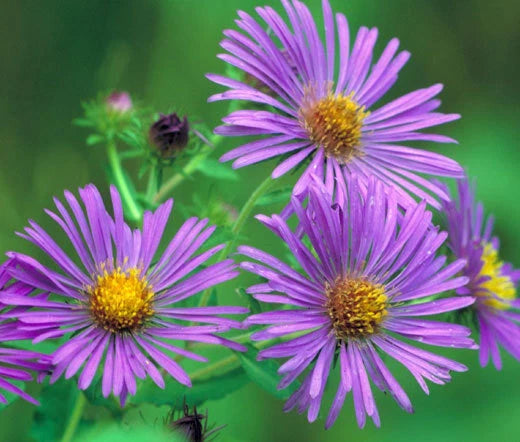
Bring late-season color and charm to your garden with Aster New England Symphyotrichum Novae-Angliae seeds. This hardy perennial produces daisy-like flowers in shades of lavender, purple, or violet with bright yellow centers, creating stunning displays for borders, cottage gardens, and perennial beds from late summer into autumn.
Key Benefits:
- Vibrant Late-Season Blooms: Lavender to purple flowers with golden centers brighten gardens as other blooms fade.
- Hardy Perennial: Returns year after year, adding long-lasting structure and beauty.
- Attractive to Pollinators: Draws bees, butterflies, and beneficial insects, supporting a healthy garden ecosystem.
- Versatile Planting: Ideal for borders, cottage gardens, and perennial beds.
- Beginner-Friendly: Easy to grow and maintain, suitable for novice gardeners seeking long-lasting color.
Planting & Growth Information:
- Soil: Well-drained, fertile soil enriched with organic matter.
- Sunlight: Full sun for best flowering; tolerates partial shade.
- Watering: Keep soil moderately moist; once established, tolerates light drought.
- Germination Time: 10–14 days under optimal conditions.
- Mature Height & Spread: Grows 60–120 cm tall with a spread of 40–60 cm.
- Growth Type: Hardy perennial flowering plant.
- Bloom Season: Late summer through autumn for vibrant late-season color.
FAQ:
- How will Aster New England enhance my garden?
- The vibrant lavender to purple flowers with golden centers add late-season color and elegance to borders and perennial beds.
- Is this plant suitable for beginners?
- Yes, it is hardy, low-maintenance, and perfect for novice gardeners seeking perennial blooms.
- When will the flowers appear?
- Seeds germinate in 1–2 weeks, with blooms appearing from late summer through autumn.
- Where is the best planting location?
- Full sun with well-drained soil ensures healthy growth and vibrant flower color.
- Does it attract pollinators?
- Yes, bees, butterflies, and other beneficial insects are naturally attracted to the flowers.