


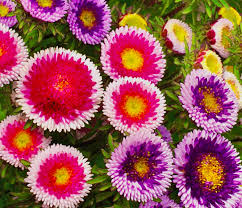
Aster Callistephus Chinensis – Pompon Hinomaru Flower Seeds
Bring texture and color with Aster Callistephus Chinensis Pompon Hinomaru seeds. These annual flowers produce small, rounded blooms in vibrant hues, ideal for borders and cut flower gardens.
Key Benefits:
- Pompon-shaped blooms create unique, textured displays.
- Bright and cheerful colors enliven garden borders.
- Compact growth is suitable for borders and containers.
- Attracts pollinators and beneficial insects.
- Easy-to-grow annual, perfect for beginner gardeners.
Planting & Growth Information:
- Sunlight: Full sun to partial shade.
- Soil: Well-draining, fertile soil.
- Watering: Moderate; keep soil moist during germination.
- Germination: 7–14 days.
- Mature Height: 12–24 inches (30–60 cm).
- Bloom Season: Summer to early fall.
- Growth Type: Annual.
FAQ:
- How will these seeds enhance my garden? Their rounded pompon blooms add unique texture and bright color.
- Are they beginner-friendly? Yes, they germinate easily with minimal care.
- Where should I plant them? Borders, containers, or cut flower beds.
- When will flowers appear? Expect blooms from summer through early fall.
- Do they attract pollinators? Yes, bees and beneficial insects enjoy the flowers.