


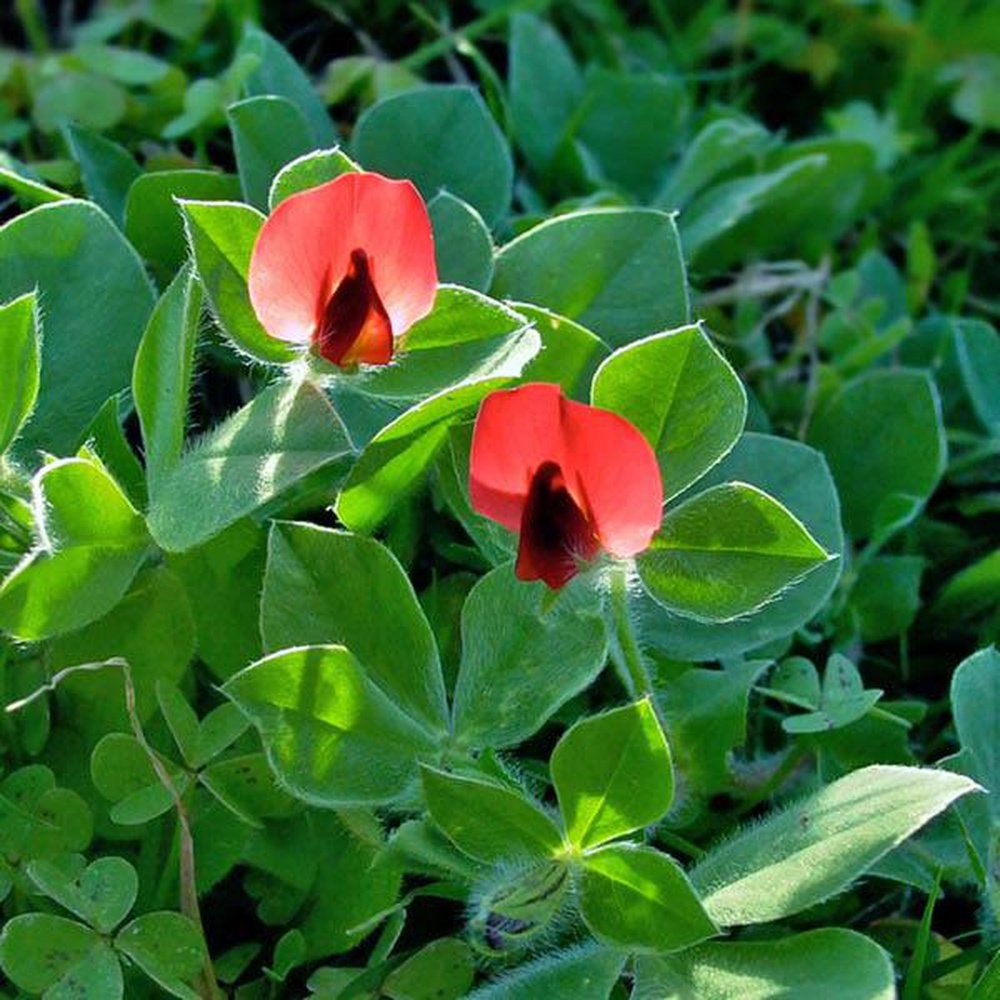
Asparagus Pea Lotus Tetragonolobus – Hardy Vegetable Seeds
Add unique flavor and structure to your garden with Asparagus Pea Lotus Tetragonolobus seeds. This hardy climbing legume produces slender, four-angled pods with a delicate texture, perfect for fresh salads, stir-fries, or as an ornamental addition to trellises and fences.
Key Benefits:
- Unique Four-Angled Pods: Adds visual interest and delicate flavor to your garden harvest.
- Climbing Growth Habit: Ideal for trellises, fences, or vertical garden spaces, creating productive and decorative displays.
- Early Harvest: Produces edible pods in summer, providing fresh vegetables for home cooking.
- Pollinator-Friendly: Flowers attract bees and other beneficial insects, supporting a healthy garden ecosystem.
- Hardy & Easy-to-Grow: Suitable for novice gardeners seeking versatile and resilient vegetable crops.
Planting & Growth Information:
- Soil: Well-drained, fertile soil encourages strong growth and abundant pod production.
- Sunlight: Full sun ensures vigorous climbing habit and optimal flowering.
- Watering: Moderate watering; maintain consistently moist soil for best pod development.
- Germination Time: 10–14 days under optimal conditions.
- Mature Height & Spread: Climbs up to 2–3 meters; spread depends on support structures.
- Growth Type: Hardy annual or short-lived perennial climber.
- Harvest Season: Summer to early autumn, when pods are tender and flavorful.
FAQ:
- How will Asparagus Pea enhance my garden?
- Its unique four-angled pods and climbing habit create both ornamental and edible value, adding vertical interest and fresh produce.
- Is this plant suitable for beginners?
- Yes, it is hardy, easy-to-grow, and ideal for novice gardeners looking for versatile vegetable crops.
- When can I harvest the pods?
- Pods are ready to harvest in summer when they are tender and flavorful for fresh salads or cooking.
- Where should I plant these seeds?
- Full sun with well-drained, fertile soil supports strong climbing growth and abundant pod production.
- Does it attract pollinators?
- Yes, the flowers naturally attract bees and other beneficial insects, enhancing garden health.