

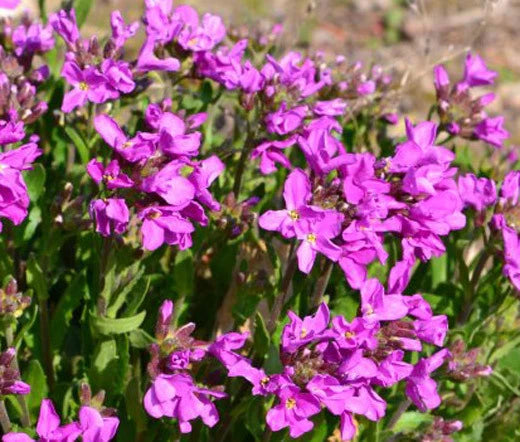
Arabis Wall Rock Cress Spring Charm Arabis Blepharophylla – Hardy Garden Flower Seeds
Enhance your rock gardens, borders, or walls with the delicate beauty of Arabis Wall Rock Cress Spring Charm Arabis Blepharophylla seeds. This hardy perennial produces masses of small, fragrant white flowers in early spring, creating a carpet of blooms that brighten shady and sunny garden spaces alike.
Key Benefits:
- Early Spring Blooms: White flowers appear in clusters, bringing bright color to gardens before most other perennials bloom.
- Hardy Perennial: Returns year after year, forming low-growing mats ideal for rock gardens, borders, and slopes.
- Compact Growth: Low-spreading habit perfect for filling gaps, edging paths, or cascading over walls.
- Low-Maintenance: Tolerates a variety of soil types and requires minimal care once established.
- Pollinator-Friendly: Attracts bees and other beneficial insects to your garden during early spring.
Planting & Growth Information:
- Soil: Well-drained soil; tolerates rocky or sandy soils, ideal for rock gardens.
- Sunlight: Full sun to partial shade for best flowering.
- Watering: Moderate watering; drought-tolerant once established.
- Germination Time: 14–21 days under optimal conditions.
- Mature Height & Spread: Grows 15–25 cm tall with a spread of 30–45 cm.
- Growth Type: Hardy perennial flowering plant.
- Bloom Season: Early spring for abundant white flowers.
FAQ:
- How will Arabis Wall Rock Cress enhance my garden?
- The early spring white blooms create a beautiful carpet over rock gardens, borders, and walls, brightening the landscape before most perennials flower.
- Is this plant suitable for beginners?
- Yes, it is hardy, low-maintenance, and ideal for novice gardeners seeking early-season color.
- When will the flowers appear?
- Seeds germinate in 2–3 weeks, with blooms appearing in early spring.
- Where is the best planting location?
- Full sun to partial shade with well-drained soil ensures healthy growth and abundant flowering.
- Does it attract pollinators?
- Yes, bees and other beneficial insects are naturally drawn to the early spring flowers.